The legwork was done before the day started
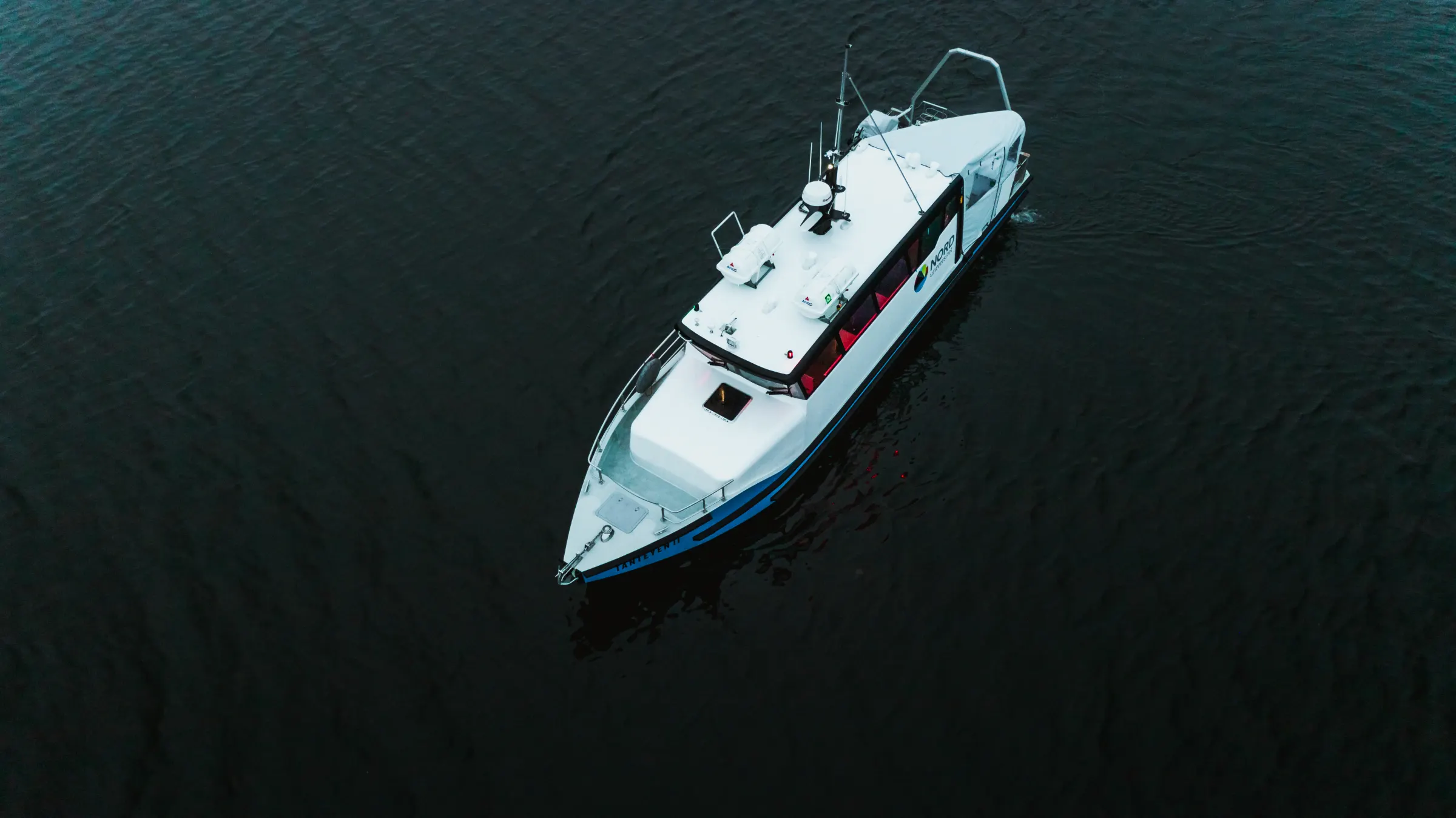
Tuco Marine Group builds specialist vessels on Fyn, Denmark, and has more than 50 employees. The company has used AI in its sales work since April.
The AI researches the customer, sets up the deal, and puts the details into the CRM. The salesperson handles the conversation.
- 50+ employees
- Fyn, Denmark
- Sales and CRM
- Live since April 2026
The AI works inside Tuco's own systems
From day one, the AI could research the company behind an inquiry, find the right contacts, draft a reply, and put the details into the CRM.
Over time it took on more. Today it also creates and cleans up deals, hands out tasks across the sales team, and handles the ones it can do on its own. In September it went from 27 tools to 49.
Read about the AI department →A tool is one action the AI can take in Tuco's systems, like looking up information or writing it in.
A good answer isn't the same as finished work
You can ask AI to write an email or research a customer. But afterward you still have to open the CRM, copy the details, and type them in.
So you're still the one doing the work. The AI helps with part of the job. The rest lands back on your desk.
At Tuco, the AI works directly in the systems. It finds the deal, puts the details where they belong, and gets everything ready for the salesperson.
Nobody copies answers out of a chat window and into the CRM. The groundwork is already there.
What the AI did in 27 days
We tallied 27 days of logged work. It's not a count of the whole project.
Tuco Marine Group · counted October 24, 2026 · every number can be checked at the source
The 150 hours are not time Tuco saved. They're our conservative estimate of how long the work would take by hand. Without the AI, that work wouldn't have happened, because nobody had time for it. Since April, the sales team has followed up on 1,088 of the contacts the AI found. We don't put a price tag on any of this. Use your own hourly rate if you want to run the numbers.
One deal behind the 6,235 updates
An email came in asking about a vessel. The AI looked into the company, found the contact details, and added them to the CRM. It pulled up earlier inquiries and drafted a reply.
By the time the salesperson got back, the deal and the draft were waiting for his approval. He hadn't typed in a single detail himself.
The card shows how the work happens. We've removed the customer's name and the details of the deal.
More than twice as many new contacts
We compare the same calendar days in 2025 and 2026. In 2025, Tuco wasn't using the AI in sales yet.
More than twice as many new contacts got a follow-up, and the CRM holds almost six times as many customer notes. Same company, same calendar days, one year later.
Sales was only the start
Once the AI was working in sales, other departments saw what it could do. Tuco gradually gave more people access.
Today we work with Tuco on several projects. Sales is where it began.
Seats in Tuco's AI, March to October 2026.
“The result was quite simply mind-blowing. The agent could not only automate tasks, but also help us see connections and suggest next steps.”
Advisory work that scales
We also work with a Danish advisory firm. In the past, its consultant hours grew almost in step with its client list. Now the AI takes care of the work before, between, and after the tasks that need an expert's time.
The firm is anonymized, so we don't show the same kind of numbers as with Tuco. This case is about how advisory work can be split up.
Read about the advisory firm →The firm, its clients, and the specific service are left out of the case.
What would your numbers be?
We don't know yet. Bring a task you keep putting off, and we'll look at what it would take.
What people ask before they book
Can we measure whether it actually works?
Yes. And you should.
How long did the task take before? How long does it take now? How much gets produced? How often does something need fixing? Where does the work tend to stall?
As the work gets more structured, it also gets easier to measure. So the value doesn't have to end up as a gut feeling that “AI probably saves some time.”
Does the employee's work become more visible too?
Yes. When the work can be measured, the human effort shows up more clearly too.
If an employee with the AI behind them can handle more customers, deliver more, or raise the quality, you can actually see the difference. That makes it easier to talk concretely about the value that person creates, instead of only about hours at a desk.
What happens if the AI makes a mistake?
To start with, we build it so it doesn't just guess its way forward when it's unsure.
Where approval is required, the work goes through a person. If something still goes wrong, there's a person at our end you can call.